What Works in Commercial & Heritage Building Renovations – Experienced Contractor Review?
1. Respecting Original Materials in Heritage Buildings
-
What Works: Using Doff steam cleaning or specialist restoration techniques preserves the fabric of Grade II listed façades without damage.
-
Example: The Bristol Marriott Hotel – CCWC Services used two Doff systems from retro-fitted BMUs to clean 12 storeys without harming the brickwork or mortar.
-
Why it Works: Heat and pressure are controlled, reducing risk to historic substrates.
2. Upgrading to Energy-Efficient Systems in Commercial Buildings
-
What Works: Replacing lighting, insulation, or HVAC systems with sustainable alternatives.
-
Example: Canary Wharf commercial refurbishments have integrated BREEAM standards for lighting and insulation upgrades, improving energy efficiency and reducing running costs.
-
Why it Works: Brings long-term savings, attracts eco-conscious tenants.
3. Phased Renovations to Maintain Occupancy
-
What Works: Renovating floor-by-floor or section-by-section to avoid full shutdowns.
-
Example: Office refurbishments in Birmingham’s Colmore Business District often proceed in stages to retain revenue and tenants.
-
Why it Works: Business continuity is maintained during works.
4. Working with Specialist Contractors
-
What Works: Bringing in contractors who are accredited, trained, and insured for work at height, confined spaces, or conservation zones.
-
Example: Restoration of Cardiff’s historic arcades succeeded due to strict adherence to listed building regulations and experienced tradespeople.
-
Why it Works: Avoids fines, project delays, and damage to heritage assets.

❌ What Doesn’t Work (and Usually Goes Wrong)
1. Generic Pressure Washing on Delicate Surfaces
-
What Doesn’t Work: Standard jet washing on sandstone, lime mortar or terracotta cladding.
-
Example: DIY pressure washing in historic Bath properties caused visible scarring and water ingress.
-
Why it Fails: Damages structure, strips away protective surfaces, voids listing protections.
2. Modern Add-Ons to Heritage Sites Without Planning Consent
-
What Doesn’t Work: Slapping on uPVC windows or modern signage to historic façades.
-
Example: Multiple rejections in planning applications for shopfront upgrades in York’s Conservation Area.
-
Why it Fails: Breaches local planning laws, leads to costly reversals.
3. Ignoring Access and Safety in High Rise Renovations
-
What Doesn’t Work: Using the wrong access method (e.g. ladders instead of MEWPs or BMUs) on multi-storey buildings.
-
Example: A recent fall incident in Manchester highlighted the risk of poor RAMS and access planning.
-
Why it Fails: Health & Safety breaches, injury, and legal trouble.
4. Overlooking Drainage or Structural Defects in Heritage Properties
-
What Doesn’t Work: Painting over cracks or damp without resolving the root cause.
-
Example: Failed restoration in a Georgian property in Bristol led to rising damp reappearing within 6 months.
-
Why it Fails: Cosmetic fixes don’t solve underlying problems.
Final Word from the Experts (Us)
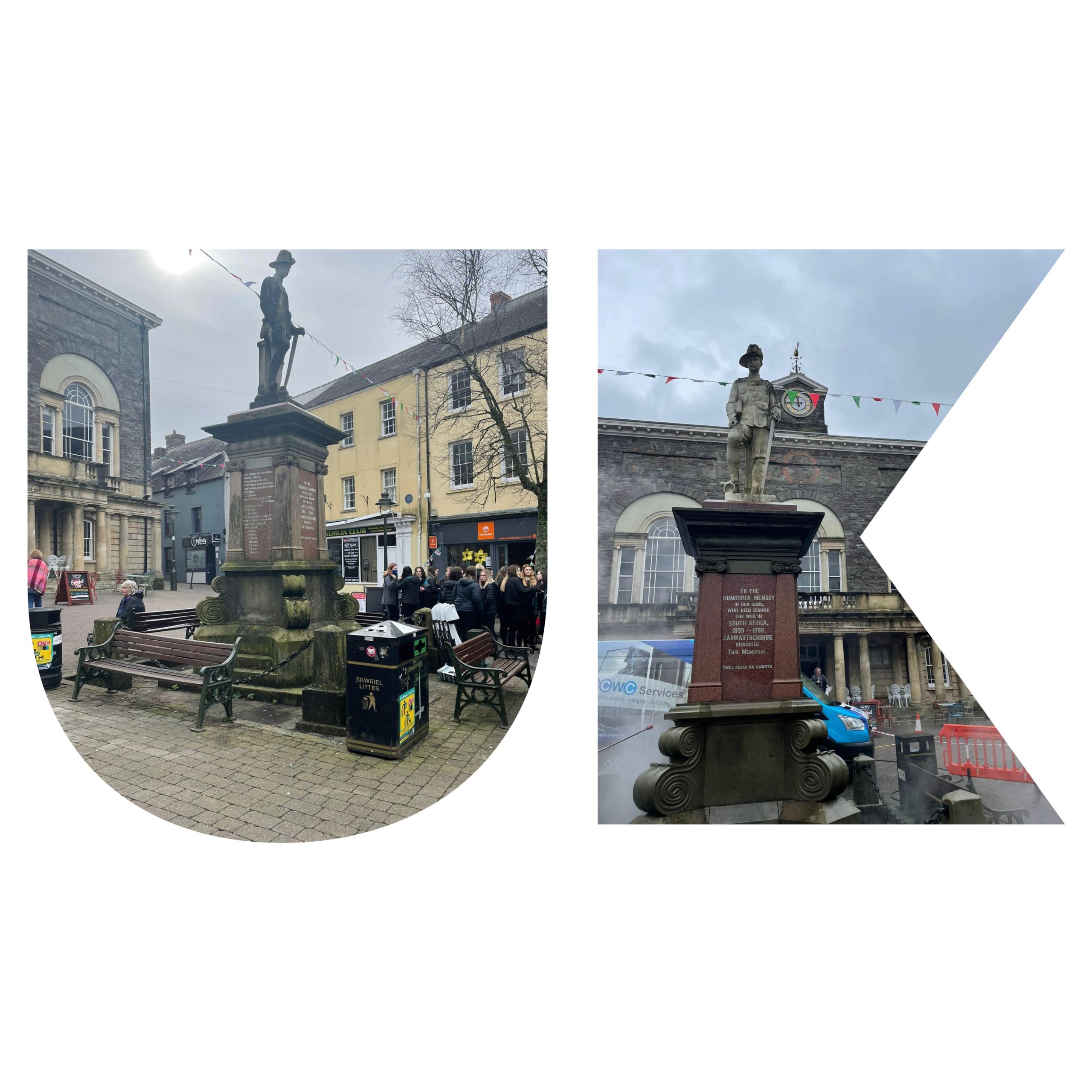
If you’re renovating a high rise or restoring a heritage gem, cutting corners is never cheaper in the long run. CCWC Services has the expertise, certifications, and award-winning solutions to get it right the first time — whether it’s working from a BMU on a 12-storey hotel or carefully restoring stonework on a listed town hall.
Need guidance on your next renovation project? We’re only a call (or a click) away.