

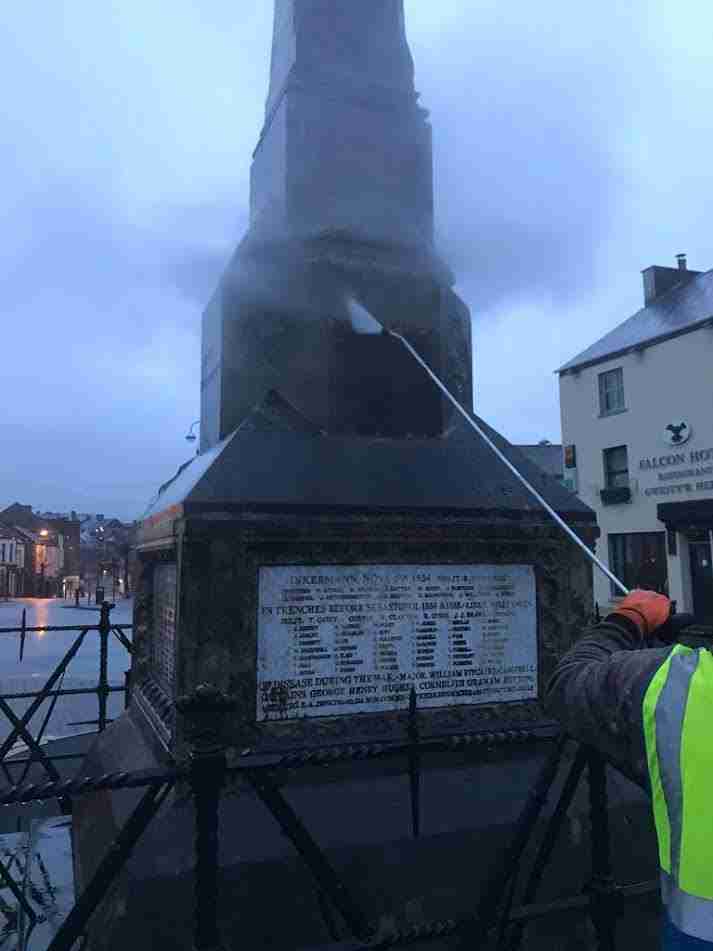
Preservation Efforts by CCWC Services and Partners
- Conservation of the Statue Itself: The physical conservation of the statue is important to maintain the artwork, protect it from weathering, and preserve its historical integrity. This includes cleaning, restoring damaged parts, and maintaining the structure of the statue.
- Historical Documentation: Along with physical preservation, it is essential to document the history and context of the statue. This includes archival records, photographs, and written histories that explain the background of the figure commemorated and the circumstances under which the statue was erected.
- Educational Efforts: The history of Sir William Nott and the statue should be included in local museums, educational programs, or public tours that provide context about his role and the period of history he represents. This allows people to learn about the broader history of British colonialism and its impact on the region.
- Interactive or Digital Preservation: One method of preserving the history is through digital means, such as augmented reality (AR) tours, virtual museums, or educational apps, that can place the statue within its historical context for modern audiences.
4. Contemporary Considerations
- Reevaluating Monuments: Given the growing movement to reassess colonial statues, local communities and governments may need to decide whether to keep, move, or reinterpret the statue of Sir William Nott. These decisions are usually made through consultations, public debate, and in some cases, petitions or protests.
- Public Dialogue and Reflection: It’s essential to foster open dialogue about the meanings these statues hold in contemporary society. Educational programs, discussions, and public debates can help clarify the differing views on the monument’s place in modern history.
- Relocation or Recontextualization: In some instances, statues have been relocated to museums or special exhibits, where they can be properly contextualized within the broader scope of history. Alternatively, additional plaques or information can be added to the site to explain the complex legacies of such figures.
By preserving the history of Sir William Nott’s statue, it is not just about maintaining the statue itself, but also about preserving the narratives and stories surrounding it, fostering understanding, and engaging with the diverse views on colonial history.


The statue of Major-General Sir William Nott is prominently located in Nott Square, Carmarthen, Wales. This statue commemorates Sir William Nott, a distinguished military officer who played a significant role in the First Anglo-Afghan War.
Location Map:
Here is a map highlighting Nott Square in Carmarthen, where the statue is situated:
A bronze statue honoring Sir William Nott, erected in 1851, cast from cannons captured at the Battle of Maharajpur.
Relevant Hyperlinks:
-
Wikipedia – William Nott: Detailed biography of Sir William Nott, including his military career and contributions.
-
People’s Collection Wales – Nott’s Monument in Carmarthen: Historical images and information about the monument dedicated to Sir William Nott.
-
Geograph – Photograph of the Statue: A photograph capturing the statue of Sir William Nott in Nott Square, Carmarthen.
These resources provide comprehensive information about Sir William Nott’s legacy and the historical significance of his statue in Carmarthe
Read more interesting articles Here