Planes, Cars and Automobiles and Buildings Cleaning and Maintenance Comparison
You wouldn’t ignore your car’s MOT or let your van drive around looking like it’s been off-roading through a swamp — so why treat your commercial property any differently?
From planes, cars and automobiles to office blocks, shopping centres and high-rise towers, there’s one golden rule: if it’s a valuable asset, it needs looking after.
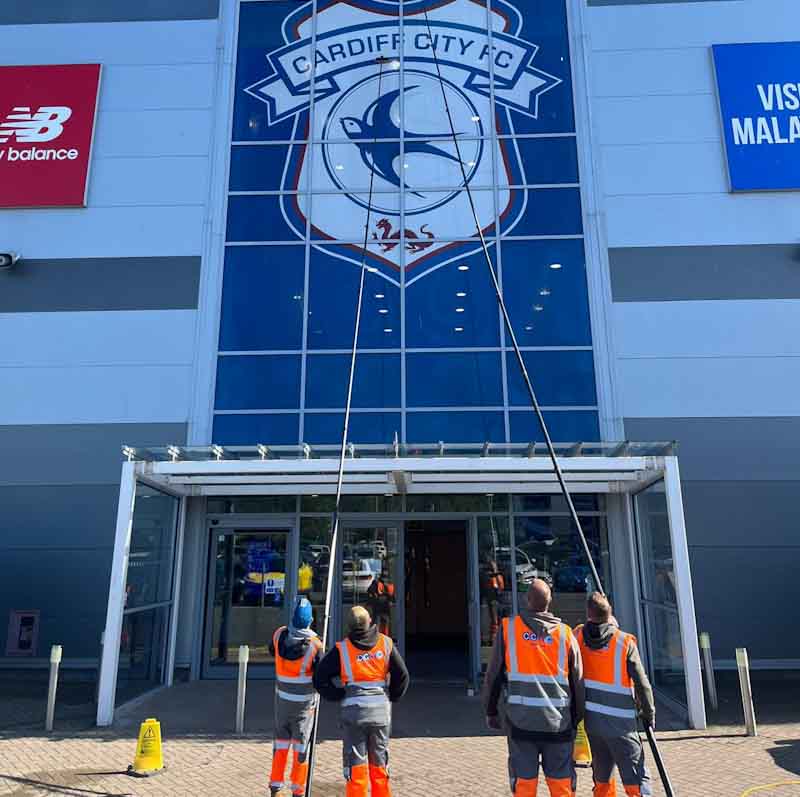
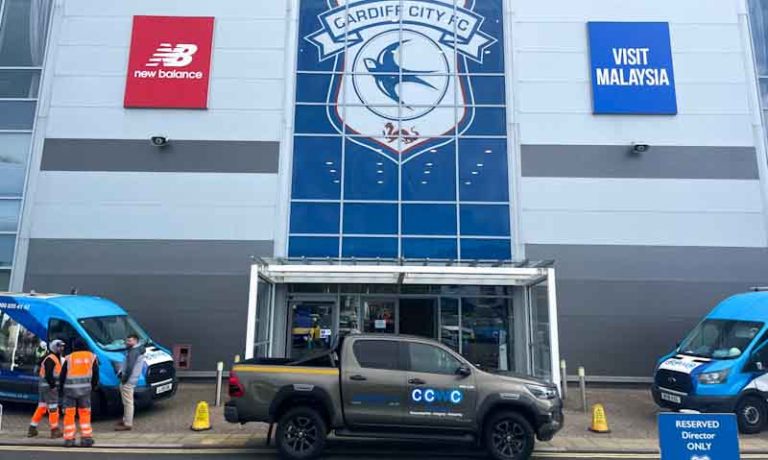
At CCWC Services, we know that cleaning and maintaining a commercial building is every bit as technical, critical, and compliance-heavy as vehicle care. So here’s our take on the surprising similarities between the two worlds.
🛠️ 1. Scheduled Maintenance Keeps Assets Safe and Operational
-
Planes must undergo strict scheduled maintenance: CAA aircraft maintenance checks (A-checks, C-checks) ensure flight safety and compliance.
-
Commercial vehicles need servicing logs, brake checks, and regular safety inspections per DVSA guidelines.
-
Commercial buildings, meanwhile, require BS EN365:2004 anchor point testing, lightning protection inspections, and cleaning to prevent deterioration.
👉 In all three sectors, planned maintenance saves money, reduces risk, and prevents downtime.
✨ 2. Cleanliness is About Safety and Reputation — Not Just Looks
-
Aircraft undergo external and interior cleaning not just for passengers, but for fuel efficiency and anti-corrosion.
-
Fleet cleaning services, like those offered by GoWashMyCar, help protect company image and prevent long-term damage to bodywork.
-
Commercial properties, particularly heritage sites, benefit from DOFF steam cleaning — a non-abrasive system that lifts biological and environmental stains without damaging the surface.
👉 Whether it’s a 747 or a Grade II listed façade, a clean surface is part of smart asset management.
📋 3. Compliance is King
-
Aircraft operators must comply with EASA Part M regulations for continued airworthiness.
-
Fleet managers are guided by DVSA fleet compliance rules, including maintenance records and cleaning for road safety.
-
Property managers must follow a strict regime including RAMS documentation, LOLER inspections, and lightning protection standards.
👉 Compliance underpins all three industries. If you’re not ticking the boxes, you’re not insurable — or safe.
🧰 4. It Requires Trained Professionals Using the Right Kit
-
Aircraft engineers must be licensed by the UK Civil Aviation Authority.
-
Fleet service engineers require qualifications in vehicle maintenance and repair.
-
Our team? Trained in:
-
IRATA Rope Access
-
Specialist cleaning systems like DOFF, TORC, and pressure washing
-
👉 It’s not just about having tools. It’s about knowing how, when, and where to use them safely.