🧱 Concrete Tiles vs Clay Tiles – Cleaning & Maintenance Differences
Your choice of roofing material affects not only the appearance of a building but also the method of cleaning and the level of ongoing maintenance. Here’s how concrete tiles and clay tiles compare when it comes to professional cleaning and upkeep
Basic Characteristics
| Feature | Concrete Tiles | Clay Tiles |
|---|---|---|
| Material Composition | Sand, cement, and water | Natural clay, kiln-fired |
| Surface Texture | Rougher, more porous | Smoother, less porous |
| Weight | Heavier | Lighter |
| Durability | 30–50 years | 50–100+ years (if maintained) |
Cleaning Differences
| Aspect | Concrete Tiles | Clay Tiles |
|---|---|---|
| Porosity | Highly porous – retains moisture | Less porous – dries more quickly |
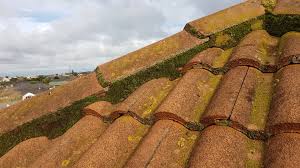
| Algae and Moss Growth | More prone – needs regular softwashing | Less prone, but can build up over time |
| Cleaning Method | Softwash with biocide treatment. Pressure washing should be avoided unless approved | Softwash with neutral detergent only. No harsh pressure or chemicals |
| Surface Risk | Can wear with repeated jet washing | Can crack under aggressive cleaning |
Maintenance Considerations
| Task | Concrete Tiles | Clay Tiles |
|---|---|---|
| Inspection Frequency | Every 2–3 years | Every 3–5 years |
| Sealant Use | Optional – helps protect colour and surface | Usually avoided – clay needs to remain breathable |
| Repair Complexity | Easy to source and replace | Requires like-for-like replacements for older roofs |
| Typical Issues | Discolouration, moss, surface wear | Slipping tiles, cracks, and mortar failure |
✅ CCWC Services Approach
At CCWC Services, we adapt our method based on material type, roof pitch, and surrounding environment:
-
Concrete Tiles:
We use softwash systems with controlled biocidal agents to remove moss and algae, followed by gentle rinsing. Where needed, we recommend optional sealing. -
Clay Tiles:
We focus on preservation, using non-abrasive softwash methods only. Our technicians inspect for mortar issues and tile displacement, especially on heritage or listed buildings.
⚠️ Never Use:
-
Harsh jet washing on either type (risk of water ingress, surface damage)
-
Abrasive chemicals (can erode colour/glaze)
-
DIY bleach-based products (harmful to plants, drains, tiles)
Would you like this comparison turned into a visual for the website or social media, or included in a blog post about roof cleaning best practices?