Listed Building Restoration in the UK and Wales: Preserving the Past, Protecting the Future
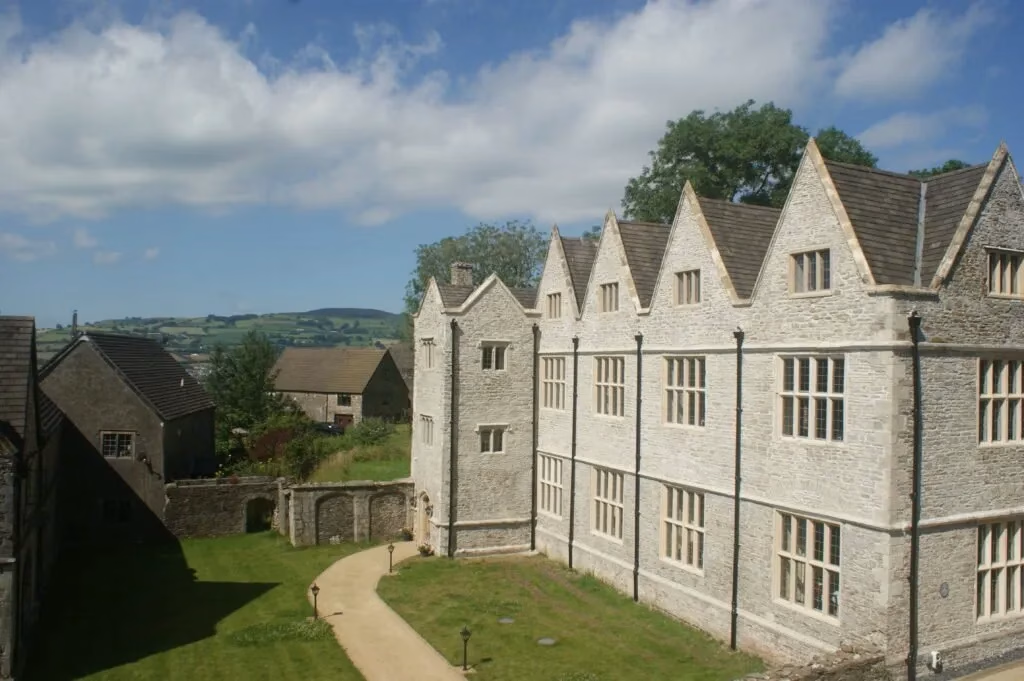
Across the UK and Wales, more than 400,000 listed buildings stand as testaments to centuries of craft, culture, and community. From Cardiff’s civic landmarks to Bath’s Georgian façades and the slate valleys of North Wales, these structures are woven into our shared history. But time, pollution, and weather take their toll. That’s where listed building restoration companies play a vital role: blending traditional techniques with modern compliance and environmental care.
What Makes a Building ‘Listed’?

In the UK, a listed building is one officially recognised as being of special architectural or historic interest.
Each listing is managed by regional heritage bodies — CADW in Wales, Historic England, Historic Environment Scotland, and Historic Environment Northern Ireland.
-
Grade I – Buildings of exceptional national importance (around 2.5% of listings).
-
Grade II* – Particularly important buildings of more than special interest.
-
Grade II – The majority, recognised for their special interest and character.
Any alteration, including cleaning, repointing, or façade restoration, requires Listed Building Consent. Even well-meaning work can cause irreversible harm if carried out without the proper methods or permissions.
How Restoration Differs from Standard Cleaning or Repairs
Listed buildings were built to breathe. Their lime mortar, stone, and timber expand and contract naturally, unlike modern materials which tend to trap moisture.
A skilled restoration company understands this balance and uses non-invasive, heritage-approved techniques such as:
-
DOFF Steam Cleaning – Superheated steam cleaning system (used by CCWC Services) that safely removes dirt, paint, and algae from delicate stone or brickwork without abrasion.
-
Lime Mortar Repointing – Maintains breathability, preventing trapped moisture and frost damage.
-
Façade & Render Restoration – Repairs and renews exterior finishes while preserving original texture and tone.
-
Stone Indent & Brick Repairs – Matches replacement materials to the historic original.
-
Roof & Gutter Conservation – Prevents water ingress, one of the most common causes of heritage damage.
Key Facts About Listed Building Restoration in the UK and Wales
-
Wales has more than 30,000 listed buildings, from castles to cottages, mills, and town halls.
-
Around 87% of all listed buildings in the UK are Grade II, meaning they are often working buildings, not just museums.
-
The DOFF steam cleaning system, approved by both Historic England and CADW, is one of the safest heritage cleaning techniques available.
-
Using high-pressure washers or chemical agents can lead to stone erosion, staining, and enforcement action from conservation officers.
-
Blocked gutters and defective flashings are among the top causes of structural damage in listed buildings.
-
Heritage funding is available through Historic Environment Wales and National Lottery Heritage Fund for qualifying projects.
-
Sustainability is a growing focus: modern restoration aims to reduce carbon emissions while maintaining authenticity.
Balancing Heritage and Sustainability
Historic buildings were not designed for modern insulation or energy standards — yet owners increasingly want them to perform efficiently. The key is sympathetic adaptation:
-
Use breathable insulation materials (wood fibre, hemp, cork).
-
Install discreet secondary glazing to improve energy performance.
-
Employ DOFF steam cleaning to minimise chemical use and carbon output.
-
Reuse or recycle original materials wherever possible.
This approach keeps listed buildings both authentic and environmentally responsible.
 Common Issues Discovered During Heritage Restorations
-
Trapped moisture caused by cement mortars or blocked drainage.
-
Salt crystallisation from unsuitable cleaning chemicals.
-
Flaking paint and render due to vapour pressure behind non-breathable coatings.
-
Biological growth such as moss, algae, or lichens accelerating stone decay.
-
Iron corrosion cracking through masonry.
-
Pollution staining on limestone or Bath stone façades.
Each requires a specialist solution — and that’s where qualified restoration contractors come in.
Advice for Choosing a Listed Building Restoration Company
Restoration projects demand trust, skill, and accountability. Before appointing a company, consider the following practical advice:
✅ 1. Check Qualifications and Accreditations
Ensure your contractor holds recognised certifications such as:
-
ISO 9001 (Quality Management)
-
ISO 14001 (Environmental Management)
-
ISO 45001 (Health & Safety)
-
Stonehealth Rosette Accreditation (for DOFF or TORC steam cleaning)
-
CSCS-certified workforce
- Experience and Compliance are critically important decision weights in order to avoid fines and costs
- These credentials confirm professionalism and compliance with heritage standards.
2. Look for Heritage Experience
Ask for case studies involving listed or historic buildings, ideally across multiple substrates (stone, render, brick, and metalwork).
A company that has worked alongside CADW, conservation officers, and heritage architects will understand the necessary consent process.
3. Insist on Non-Abrasive, Approved Cleaning Methods
Techniques like DOFF steam cleaning should always replace pressure washing on historic masonry.
Pressure washing, even at “low” settings, can strip surface patina and damage soft stone — a costly and irreversible mistake.
4. Ask About Sustainability
Heritage and sustainability can work hand-in-hand.
Choose contractors who can explain their environmental policies, waste management, and carbon footprint reductions.
5. Verify Insurance and Safety Standards
A reputable restoration company should have at least £10 million public liability insurance, plus working-at-height and heritage-safe procedures.
6. Get a Detailed Scope and Aftercare Plan
Restoration isn’t just about completion — it’s about longevity.
Ask for a maintenance schedule to protect your investment once works are complete.
CCWC Services: Heritage Cleaning and Restoration Specialists
Founded in 1988, CCWC Services is a family-run, award-winning company with more than three decades of experience in listed building and façade restoration across Wales and the UK.
We’re proud to be Stonehealth Rosette-approved DOFF steam cleaning specialists, and fully ISO 9001, 14001, and 45001 certified.
We’ve worked with heritage bodies, asset managers, and local councils on some of Wales’ most challenging cleaning and restoration projects — from high-rise façades to historic monuments.
Recent Awards
-
UK Enterprise Award 2025 – Best Building Maintenance & Cleaning Service
-
E2 Media Award for Excellence 2025
-
Building Restoration Services of the Year 2025
-
Global Recognition Awards 2024 – Outstanding Customer Service & Sustainability
Our goal is simple:
To preserve and restore Britain’s architectural heritage — safely, sustainably, and beautifully.
Looking Ahead
Demand for skilled listed building restoration companies in the UK and Wales continues to rise. As owners and councils seek sustainable, long-term solutions, specialist contractors with heritage expertise will remain essential.
CCWC Services continues to lead this sector — combining family values, technical excellence, and conservation integrity.
Contact Our Heritage Team
If you’re planning or managing a listed building restoration project in Wales or anywhere in the UK, our specialist team can help you assess, plan, and restore safely.
📞 Call 01443 844679
🌐 www.ccwcservices.co.uk
✉️ info@complycleanrestore.uk