What does it mean when bricks turn black?
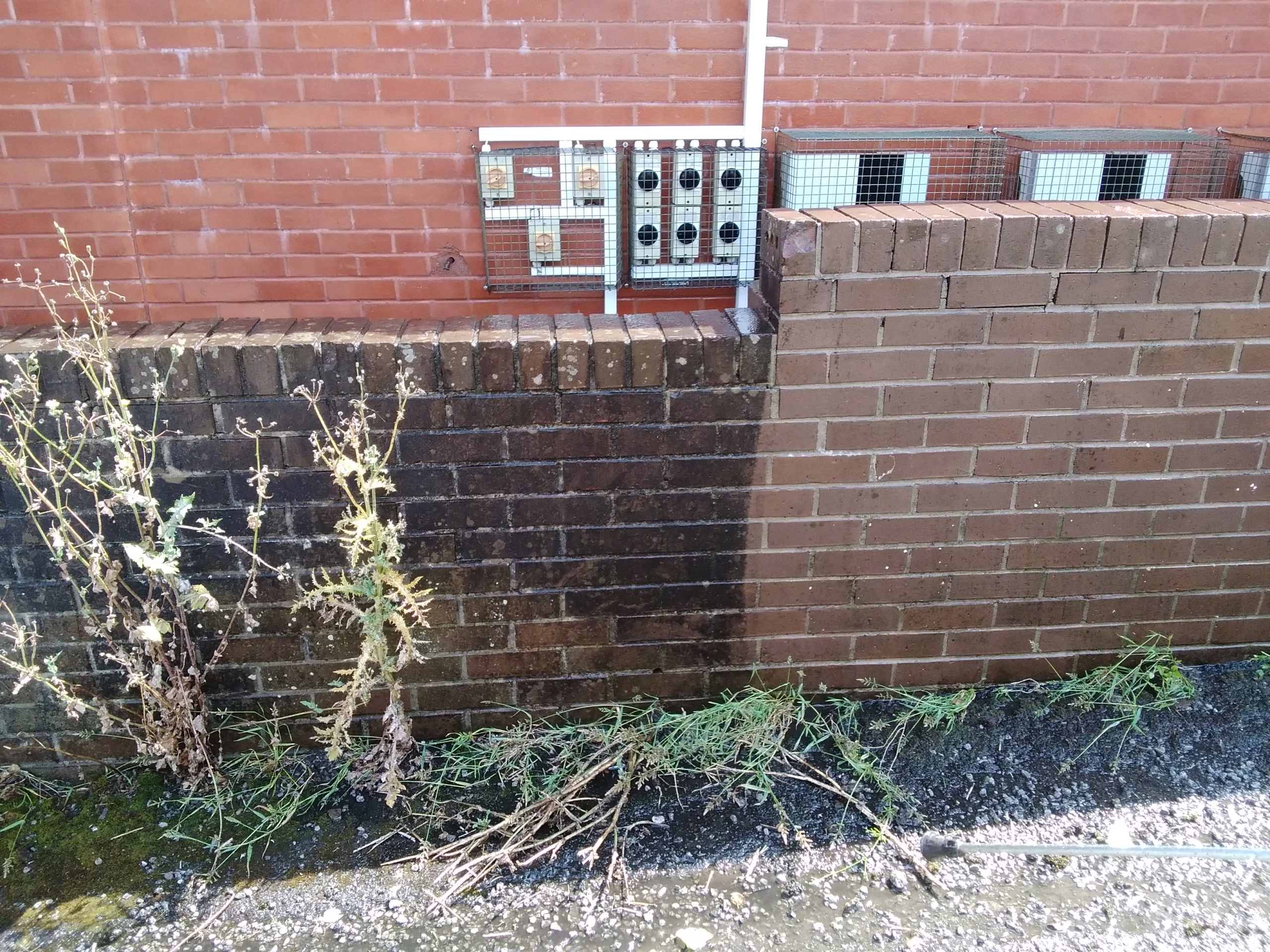
When brickwork turns dark or outright black, your building is telling you something. The colour change is almost always about moisture, pollution, or biological growth. The fix is straightforward when you diagnose it correctly and use the right cleaning method for the substrate.
 The quick answer
Most black staining on brick is caused by one (or more) of the following:
-
Soot and carbon deposits from traffic, boilers or chimneys
-
Algae, mould or biofilm on cool, shaded or north-facing elevations
-
Trapped moisture from leaking gutters, cracked joints or bridged DPCs
-
Bitumen or tar residues from old roofing or damp-proofing
-
Historic acid washing that reacted with minerals in pale bricks and left a brown-black cast
-
Smoke/flue staining on chimney stacks and parapets
How to work out what you’re looking at
1) Pattern and position – Streaks under gutters or coping stones scream “leak”. A uniform haze on a cooler wall points to algae. Traffic-side façades often show even, grey-black soiling.
2) Wipe test – If a white cloth picks up residue, you likely have soot. If it feels slimy when damp, think biofilm. Tar feels tacky even when dry.
3) Moisture behaviour – Patches that stay dark days after rain normally indicate trapped moisture or failed detailing.
4) Material sensitivity – Hand-made or soft clay bricks with lime mortar need gentle, conservation-led methods; dense modern brick will tolerate a bit more, but still not brute force.
Please don’t do these (common mistakes)
-
Do not blast with high pressure. It scours faces and joints, opening the pores and shortening the brick’s life.
-
Do not “fix” it with brick acid. On pale bricks it can create a permanent brown-black stain.
-
Do not seal a damp wall. You’ll trap moisture and invite salt damage.
-
Do not wire-brush soft brick or lime mortar. It accelerates weathering and leaves the surface patchy.
Safe ways to clean blackened brick
At CCWC Services we match the method to the stain and the substrate. We cover Cardiff, Newport, Swansea and South Wales, and we specialise in working at height on high rise buildings and heritage façades.
Biological growth (algae/mould)
-
Apply an appropriate biocide, allow dwell time, then low-pressure rinse.
-
Softwashing can extend the clean period on shaded elevations.
Soot, carbon and general pollution
-
DOFF superheated steam removes carbon films at low pressure.
-
Ideal for delicate brick and Grade II fabric. We hold the Stonehealth Rosette for DOFF.
Tar/bitumen/oily residues
-
Localised solvent gels or poultices with proper containment.
-
Always patch-test first.
Post-leak streaking
-
Fix the source (gutter, capping, joint) before you clean.
-
Repoint or renew sealant where needed to stop repeats.
Acid-wash damage
-
Specialist chelating agents or poultices, then DOFF.
-
Never “add more acid”. It only makes life harder.
When to worry (and call a specialist)
-
Flaking faces, deep cracks or spalling
-
Bulging brickwork or failed movement joints
-
Persistent damp patches inside the building
-
Salts (white crystals) that keep returning despite cleaning
A short survey, moisture readings and a test clean will give you a safe plan and a realistic cost.
How we deliver (and document) the work
-
Site survey, access plan and RAMS
-
Test patch to lock in the method
-
Clean, protect and minor surface repairs where agreed
-
Water, slurry and waste control to meet environmental duties
-
Before/after photos and a short completion report for your records
-
Option to combine with gutter cleaning, edge protection checks or lightning protection testing to save on access