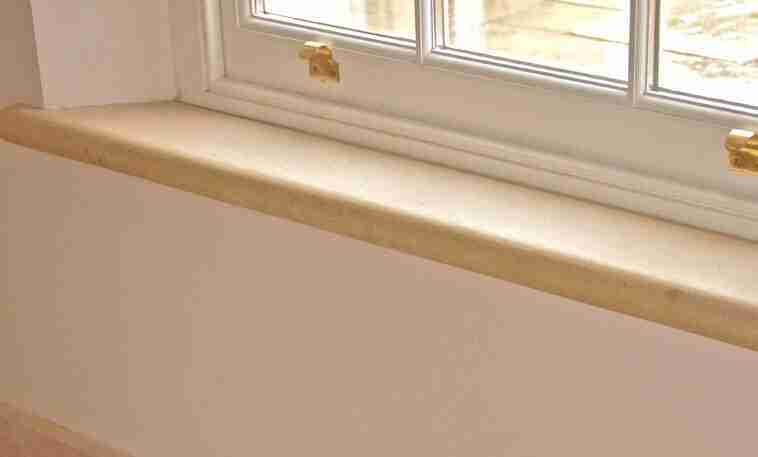
In the nuanced world of building maintenance, a seemingly minor Cill vs. Sill? debate often takes centre stage. Is it spelled ‘cill’ or ‘sill’?
This linguistic puzzle is more than just academic banter. It reflects the rich history and evolving nature of the English language, especially in our line of work at CCWC Services.w
The old English ‘syll‘, meaning a board or post, has morphed through centuries. More recently: ‘sill’ emerging as the dominant form. Yet, ‘cill’ persists, especially in the British building and canal industries:. The cill is a narrow horizontal ledge protruding a short way into the chamber from below the upper gates. Allowing the rear of the boat to “hang” on the cill is the main danger when descending a lock, and the position of the forward edge of the cill is usually marked on the lock side by a white line. The edge of the cill is usually curved, protruding less in the center than at the edges. In some locks, there is a piece of oak about 9 in (23 cm) thick which protects the solid part of the lock cill. On the Oxford Canal it is called a babbie; on the Grand Union Canal it is referred to as the cill bumper.
The debate mirrors a larger challenge in the timber industry, where terms like “pine,” “deal,” and “cedar” can mean a multitude of things. This linguistic complexity underscores the importance of expert guidance in our field.
At CCWC Services, we will pride ourselves on navigating these nuances with the same precision and expertise we apply to our speciality in high-rise building maintenance and restoration. Whether it’s deciphering industry jargon or restoring a Grade II listed building, our team embodies accountability, integrity, and reliability in every task.
In conclusion, while ‘cill’ may hold its ground in certain circles, ‘sill’ is more widely accepted. This Cill vs. Sill debate is less about winning an argument. It is more about understanding the depth and diversity of our professional language.
Contact US for free Cleaning and Maintenance Consultation
At CCWC Services, we do embrace these intricacies, ensuring that our clients receive the highest quality service. They also the benefit of our comprehensive knowledge and attention to detail, regardless of how it’s spelled.
When should you write cill vs sill in building work?
-
Modern specs, product data and O&M manuals: use sill.
-
Heritage documents or where the existing term is “cill”: keep cill for consistency with historic drawings and conservation records.
-
Canal or lock engineering: cill is the norm.
From an SEO angle, it helps to mention both—people search for window sill repair, stone cill repair, uPVC sill replacement, masonry sill restoration, sill cleaning Cardiff, and so on.
Typical problems we fix on sills and cills
-
Water ingress and dripping under the sill due to failed seals or poor falls
-
Cracks, spalling and salt (efflorescence) on stone or concrete
-
Black algae and lichen on render and masonry returns
-
Paint failure on timber sills; soft patches and rot
-
Chewing gum, oil and airborne pollutants on street-level ledges
-
Impact damage from trolleys and plant
The CCWC approach (clean, protect, restore)
As a family-run business established in 1988, CCWC Services looks after commercial and industrial buildings across Wales, including high rise buildings and heritage assets. We specialise in working at height and use the right method for the substrate:
-
DOFF steam cleaning (Stonehealth Rosette holders) for heritage stone and delicate façades
-
Softwashing and biocide treatments for algae, mould and lichen
-
Low-pressure rinsing and detail clean of drips, sealant lines and drips under the nose of the sill
-
Minor surface repairs and referral pathways for deeper conservation works
-
Lightning protection, mansafe and edge protection testing while we’re already on the roof—one visit, less disruption
We’re ISO 9001, ISO 14001 and ISO 45001 certified, which means our processes, environmental controls and health & safety are audited to international standards. That is reassuring for estate managers, asset owners and insurers alike.
Maintenance tips for facilities and estates teams
-
Inspect annually: look for ponding, staining lines, loose sealant and hairline cracks.
-
Keep sills clean: organic growth traps moisture and speeds deterioration.
-
Mind the falls: sills should shed water; if they hold water, plan corrective works.
-
Protect junctions: the underside drip groove and sealant lines are your weak points.
-